Protocol
Run your controls.
Protocol teaches bench scientists to use AI without getting burned. Short lessons on your own exports, figures and methods, each built around one control: the check that would catch the answer if it were wrong. The rule in every lesson is the rule of the bench. Never report a number you cannot trace, and never call a reference verified until you have checked it. Anything unconfirmed reads UNVERIFIED.
Every lesson is free. A paid seat is for running the tool on your own data without a limit.
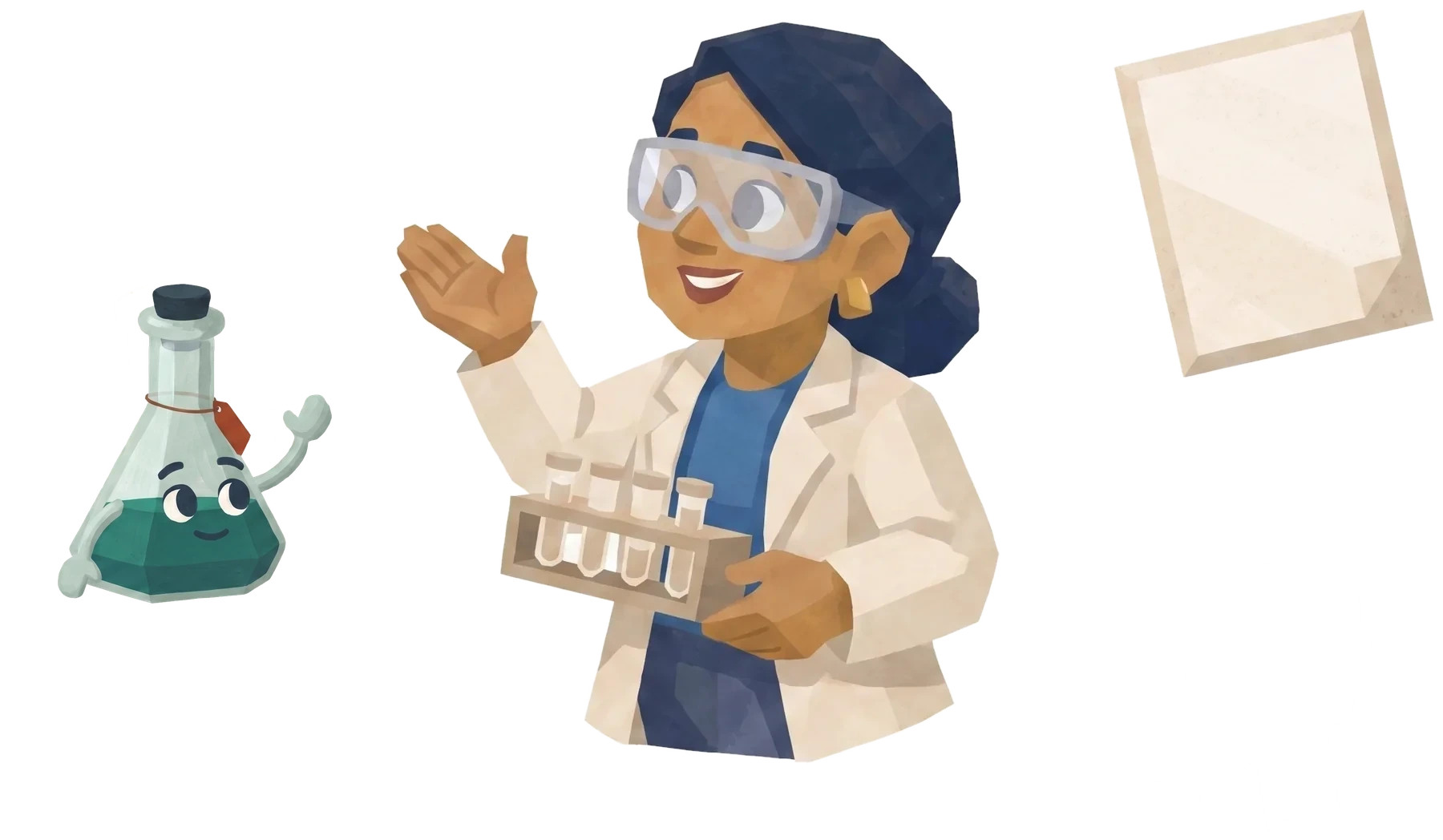
The wall everyone hits in week one
Upload a .czi and ask about your image. Upload a .raw and ask about your peaks. Nothing happens, because no model can read a vendor binary. Most people conclude the tool is useless for real work and stop there. It is not the tool. Nobody told you the model is the author of the converter, not the reader of the file. That is lesson one.No study needed for this one. It is how the formats work.
Built for
Academic lab, core facility or industry. If you generate your own data and have to defend what you did with it, this is for you. Not clinical or diagnostic work. That is a different liability surface and this door stays out of it.
Which step in your analysis are you least sure of?
Say it in your own words. Prep writes the prompt, runs it on what you paste, and shows you the control behind it. You keep the prompt.
What you paste goes to Anthropic's Claude API to write the draft, and nowhere else. It is not used to train a model, and it is not stored on our servers unless you sign in and sync. Where your data goes →
2 runs on the house, no signup. A free account gets you 10.
How scientists put AI to work here
Your exports, QC, figures, and methods
Every lesson uses the work in front of you: the export, the figure, the methods section. You learn the move on your own data.
It cannot open your file. It writes what can
A .czi, a BAM, a Bruker FID: no model reads these. It writes the converter and tells you what survived.
Traceable, never asserted
Every number ties back to the data you gave it. Every reference it has not checked is marked UNVERIFIED.
The control named, every time
It says what check would catch the result if it were wrong. An analysis without one is not finished.
203 lessons, every area
Instrument files to figures to manuscripts. The whole bench, raw instrument file through published figure, across 33 areas.
Try it free
Two runs on the house, no signup. A free account gets you 10. Just your email.
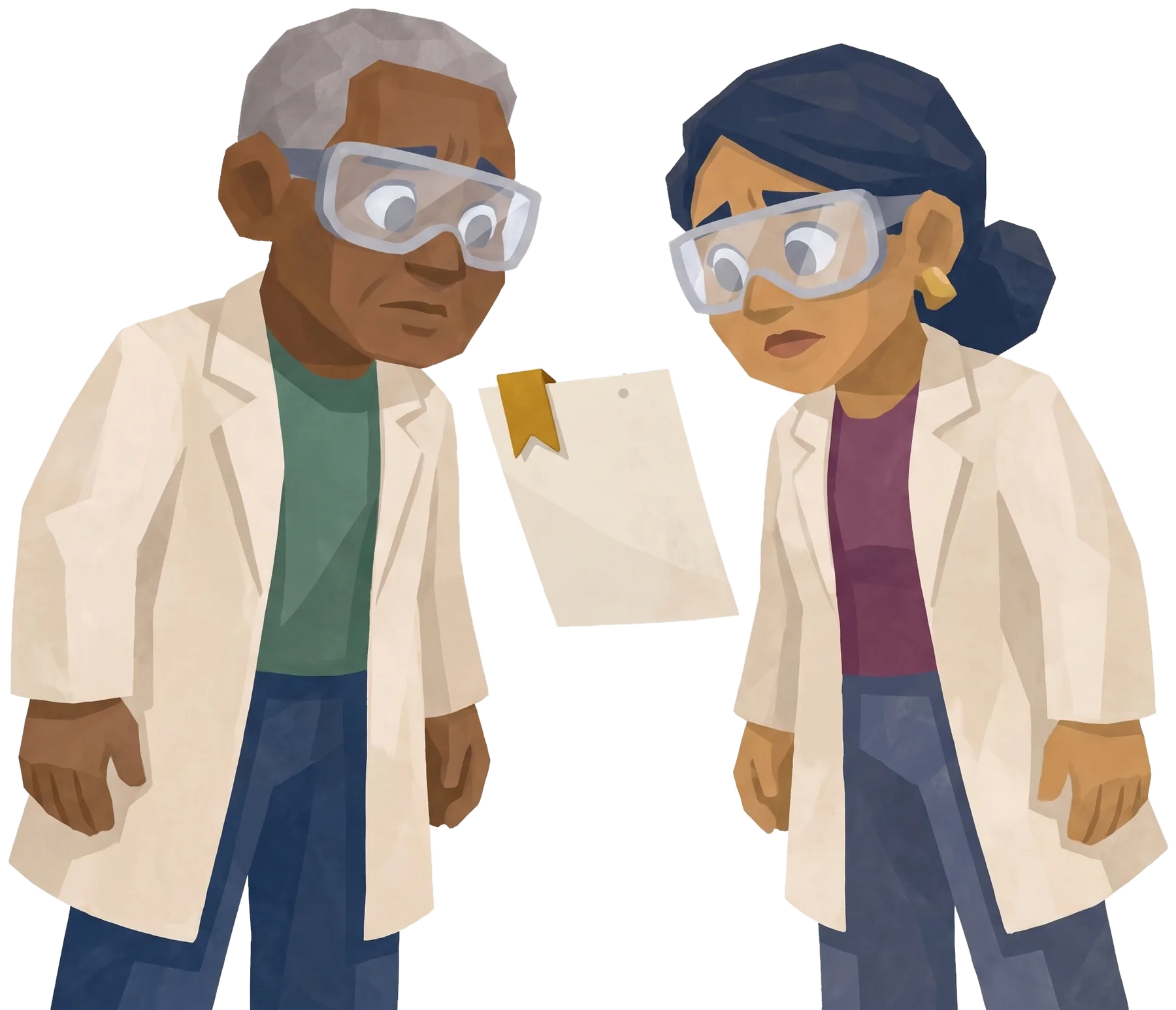
A general chatbot
“Studies have shown this effect is well established (Chen et al., 2019).”
Chen et al. 2019 may not exist. The sentence is fluent, sourced-looking, and the first person to check it will be a reviewer.
Protocol
“[UNVERIFIED] Chen et al. 2019. I have not confirmed this resolves. Check it before you cite it. Your own data support the weaker claim; here is that sentence instead.”
Unverified means unchecked. Not wrong, and not safe. That distinction is the door.
What is live, and what is not
Live now: the 16 areas below, 97 lessons written for the lab, plus the shared shelves on grounding, verification and Claude itself, the builder track, and 5 runnable Skills. The library counts all of it, shared shelves and builder track included, as 33 areas and 203 lessons.
Not yet: a published proof study. The sibling doors lead with one. This door has run none and says so rather than borrowing theirs. Also not yet: the instrument-format reference, and checkout. The prices on the pricing page are the real ones. The only button behind them today is a waitlist.
The review discipline is on the page, not behind it: a lesson never invents a number, a reference carries a verification state, and anything the model cannot know reads [NEEDS] or UNKNOWN. Find an error and it ships fixed the day you report it.
Start with your own file
Bring the export you cannot get numbers out of. The lessons are free. A lab seat is $25 a person a month, and a first-year costs the same as the PI. A grad student or postdoc paying their own way has the Student plan at $9 a month.